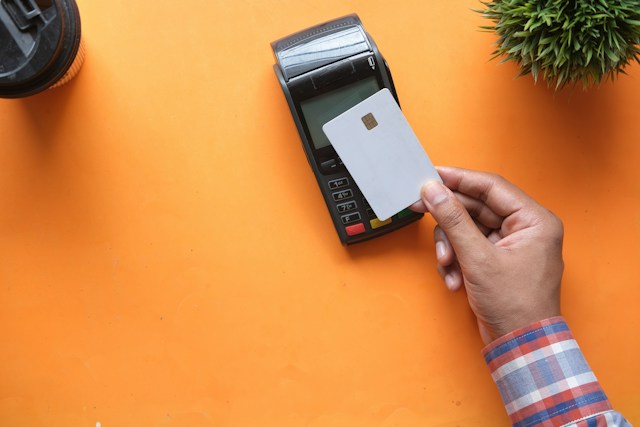
A slow or failed payment terminal at the checkout counter can undo all the hard work you’ve put into marketing, merchandising, and customer service. For any retail business, the final moment of transaction is where revenue is realized. When that process breaks down, the financial impact goes far beyond a single lost sale. It creates ripples that can affect customer loyalty, staff morale, and your overall brand reputation.
Thinking about your payment system as a core financial asset, instead of just a piece of operational hardware, is a critical shift in perspective for securing long-term revenue.
The Hidden Costs of Unreliable Payments
When a payment terminal fails, the most obvious cost is the immediate lost sale. A customer who can’t pay with their card might not have enough cash and will likely walk away, leaving goods on the counter. But the financial bleeding doesn’t stop there. Unreliable payments introduce several hidden costs that accumulate over time, quietly eating into your profits.
Consider the staff time wasted troubleshooting a faulty machine, rebooting systems, or apologizing to a growing queue of frustrated shoppers. This is time your team could be spending on the shop floor, assisting customers and driving more sales. Plus, a poor checkout experience is one of the quickest ways to lose a customer for good. Research shows that a negative final impression can overshadow an otherwise positive shopping trip, making it less likely they’ll return. These factors contribute to a slow erosion of your customer base and brand credibility, all stemming from technology that isn’t up to the task of powering reliable payments.
How Reliable Terminals Boost Sales and Customer Loyalty
On the flip side, a dependable and fast payment process directly contributes to a healthier bottom line. When customers can tap, swipe, or insert their card without a second thought, the transaction feels effortless. This seamless experience is a powerful final touchpoint that reinforces a positive perception of your brand. Happy customers are repeat customers, and a frictionless checkout is a major factor in building that loyalty.
Investing in modern, high-reliability payment processing machines is a strategic move to secure this loyalty. These devices are engineered for high-volume environments, minimizing downtime and processing transactions in seconds. This speed isn’t just about convenience; it directly impacts throughput. During peak hours, the ability to serve customers quickly means shorter queues and more completed sales. For a busy cafe during the morning rush or a boutique on a Saturday afternoon, the difference between a three-second and a thirty-second transaction, multiplied over hundreds of customers, means significant revenue.
Beyond the Sale: Data Security and Compliance
In today’s digital economy, a payment terminal does more than just process funds; it handles sensitive customer data. A failure in this area can be far more costly than a simple network outage. Outdated or unreliable terminals can be vulnerable to security breaches, putting your customers’ financial information and your business’s reputation at severe risk. The financial penalties for not complying with data security standards can be crippling for a small or medium-sized business.
High-reliability terminals are built with modern security at their core. They receive regular software updates to protect against emerging threats and ensure they remain compliant with the Payment Card Industry Data Security Standard (PCI DSS). By choosing dependable hardware, you’re not just ensuring uptime; you’re building a secure perimeter around your transactions. This protects your customers, shields your business from massive potential liabilities, and solidifies your reputation as a trustworthy retailer.
Future-Proofing Your Payment Infrastructure
The way customers pay is constantly changing. The rise of digital wallets like Apple Pay and Google Pay, along with other contactless methods, has shifted expectations. Customers now demand speed, flexibility, and convenience at the point of sale. A business still relying on older, slower terminals that can’t handle these new payment types risks appearing dated and out of touch.
Investing in a modern, reliable payment system is a way to future-proof your business. These systems are designed to be adaptable, capable of accepting a wide range of payment methods, and integrating with other business tools like inventory management and loyalty programs. Thinking about the future of retail payments now ensures you won’t have to undertake a costly and disruptive overhaul in a few years. It positions your business to meet evolving customer expectations and maintain a competitive edge.
Ultimately, your payment terminal is one of the most critical pieces of financial equipment in your business. Treating it as a strategic investment in reliability, security, and customer experience is essential for protecting your revenue and building a sustainable, profitable retail operation.
Carolyn R. Owens is an ICF-certified Master Coach and serves as a Career Strategist, Executive, Leadership, and Mentor Coach. She can assist you by helping you up-level your skills to up-level your income, career, business, or life. Carolyn provides one-on-one and group coaching, organizational training, and personality assessments. She is certified to give the Energy Leadership Index and Myers-Briggs Type Indicator Assessment. You can learn more about assessments and other products and services at https://www.infinitycoaching.net.