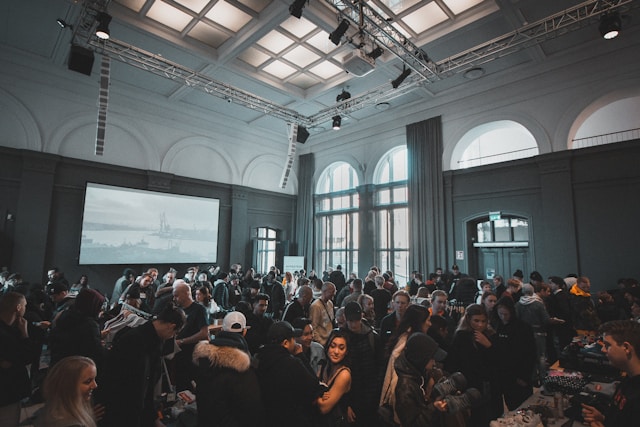
The physical space at an event is a huge, often-missed way to communicate. Long before a speaker even steps on stage or anyone shakes hands, the way a room is designed is already speaking to your attendees. It’s shaping their mood, guiding their focus, and setting the stage for the whole experience. When you understand how people react to their surroundings, you can turn any venue into a smart tool that really helps your business.
From the moment someone walks in, their brain is picking up on visual cues to form that first impression. This isn’t just about making things look nice; it’s about creating an atmosphere that matches what you want your event to achieve. Maybe you want to spark new ideas, encourage teamwork, or help close deals.
First Impressions Matter: Setting the Tone at the Entrance
Your attendees’ journey starts the second they arrive. If the entrance is confusing, messy, or just plain boring, it can subtly make people feel anxious and disorganized, which then colors the rest of their day. On the flip side, a smooth, welcoming entry makes people feel confident and sets a positive, professional vibe. So, what’s the first thing your attendees see? Is it a clear, bright registration area or a confusing lobby?
Good visual communication kicks off right here. Clear, professional event signage doesn’t just show people where to go; it also tells them you’re on top of things from the very beginning. Consider using branded welcome banners, easy-to-follow signs, and simple-to-read schedules to reduce stress and help everyone feel comfortable. This first interaction is your chance to show attendees that you value their time and have really thought about their experience.
Guiding Behavior with Color and Light
Color and lighting are super powerful psychological tools that can really change how people feel and act. They work behind the scenes to create energy, calm things down, or draw attention. You can totally use this to your advantage by carefully designing the look and feel of different areas.
For instance, spaces meant for networking and mingling often benefit from warmer colors like yellow and orange. These colors tend to make people feel energetic and optimistic. Soft, warm lighting can also make a big room feel cozier and encourage conversations. But in areas where people need to learn and focus, like a presentation hall, cooler tones such as blues and greens might be better for concentration. Brighter, more focused lighting in these spots helps keep everyone alert and engaged with what’s being said.
Creating Zones for Connection and Focus
A “one-size-fits-all” layout rarely works for everyone at an event. People need different kinds of spaces for different things. By creating specific “zones” within your venue, you can meet these needs and encourage the behaviors you want to see. This means more than just having a main stage and some chairs.
Think about adding:
- Networking Hubs: Areas with tall tables and easy access to refreshments are great for quick, standing chats.
- Collaboration Zones: Spaces with comfy seating, small tables, and maybe even whiteboards or charging stations invite small groups to connect and brainstorm.
- Quiet/Recharge Areas: A designated calm spot away from all the buzz lets attendees take a call, answer emails, or just chill out. This helps them stay energized and happier overall.
Also, thinking about how people move between these zones is key. A smart layout that naturally guides people from a presentation area to a networking hub can really boost meaningful interactions.
The Power of Branded Environments
Consistent visual branding turns a rented space into an immersive brand experience. When your company’s logo, colors, and main messages are woven throughout the venue, it really strengthens your identity and makes the event feel uniquely yours. A well-branded environment does more than just look good; it shapes memorable corporate events by creating a unified story that attendees can connect with.
This covers everything from stage backdrops and banners to digital screens and even the design of your presentation slides. Every visual piece should work together to tell the same story. This attention to detail shows professionalism and helps people remember your brand long after the event is over. For any organization, designing for impact is crucial to achieving event goals.
Measuring the ROI of Smart Design
The value of smart event design isn’t just a feeling; you can actually measure it. Linking your design choices to specific business goals helps you track your return on investment. For example, if a main goal is to boost networking, you can measure success by tracking connections made through the event app or by watching how much time people spend in the designated networking zones.
Other things to look at include social media engagement – are people snapping photos of your branded setups and sharing them online? Post-event surveys can also give you valuable feedback. Ask specific questions about the atmosphere, how easy it was to get around, and whether the environment helped them achieve their reasons for attending. This data won’t just prove your investment was worth it; it’ll also give you insights to make your next event even better.
Next time you’re planning a corporate gathering, remember that the space itself is a key player. Designing it with purpose and a good grasp of psychology helps you create an experience that truly connects with attendees and brings measurable business results.
Carolyn R. Owens has over 25 years of proven experience and serves as a Career Strategist, Executive and Leadership Coach. She is the President of Infinity Coaching, Inc., where she helps you up-level your skills so you can up-level your income, career, business, or life. Infinity Coaching, Inc. provides coaching, organizational training, personality assessments, and a signature program, the Infinity Coaching Inner Circle. Carolyn is certified to give both the Energy Leadership Index Assessment and the Myers-Briggs Type Indicator Assessment. You can find out more about both assessments and other products and services at https://infinitycoaching.net.