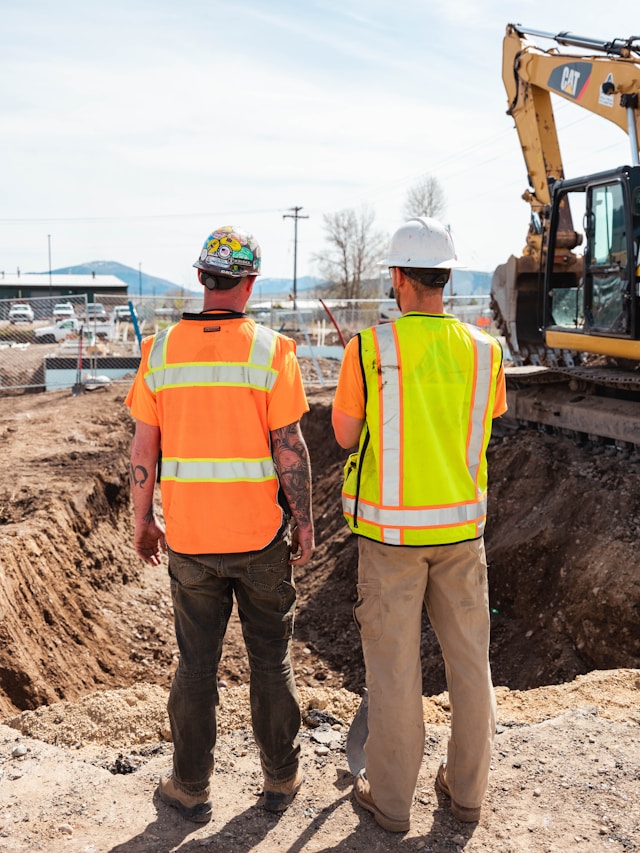
Photo by John Kakuk on Unsplash
Have you ever watched a skyscraper go up from an empty lot? It’s a powerful picture for leadership. Taking a project from a blueprint to a finished building offers deep lessons for anyone wanting to build a successful team, department, or whole organization. Just like a master builder, a great leader needs a clear vision, a skilled team, a solid foundation, and the ability to adapt when things get tough.
Thinking like a project manager can really change how you lead. It moves your focus from big, abstract goals to real, concrete actions. Instead of just managing people, you’re building better habits and creating something tangible and lasting. Let’s look at the main leadership lessons we can pick up from the world of construction.
Leading with a Clear Blueprint
No construction project starts without a detailed blueprint. This document is the absolute source of truth, detailing every size, material, and system needed to make the vision a reality. In leadership, your blueprint is your strategic plan. It’s the clear, exciting vision you share with your team, explaining what you’re building together and why it matters. If your vision is fuzzy, your final product will be weak and confusing.
A strong leadership blueprint includes:
- A Clear Goal: What does success look like? Is it launching a new product, getting more market share, or making customers happier? Be specific.
- Defined Scope: What’s part of this project and what isn’t? Setting boundaries stops things from getting out of hand and keeps the team focused.
- Resource and Budget Planning: Every project has limited resources. Just like a contractor has to figure out the cost of a new metal building, a leader has to budget time, money, and people effectively.
Without this initial planning, your team is working in the dark. A well-defined plan helps everyone understand their role and how their work fits into the bigger picture. This kind of Leading with Vision isn’t about micromanaging; it’s about giving your team the clarity and direction they need to build with confidence.
Assembling the Right Team
A blueprint is useless without skilled people to carry it out. A construction manager doesn’t just hire “builders”; they hire expert plumbers, electricians, masons, and painters. Similarly, good leaders are great at finding talent. They put together teams with the right mix of specialized skills and people who work well together. You need the technical expert, the creative thinker, the detail-oriented planner, and the person good at building relationships.
Building a high-performing team means more than just looking at resumes. It involves understanding how different personalities and work styles will click. On a construction site, the plumber has to work smoothly with the drywall installer. In an office, your marketing team needs to be in sync with your sales department. They need a leader who encourages communication and mutual respect. Great leaders don’t just fill empty spots; they build a unified group where everyone together achieves more than they could alone. Giving the right tools and support helps you use strategies to empower construction leaders and their teams, making sure everyone can do their best work.
Foundation First: Building for Longevity
You can’t build a 50-story tower on a foundation meant for a two-story house. The most important, yet often hidden, part of any structure is its foundation. In business, your foundation is your company culture, your core values, and your ethical principles. These are the non-negotiables that support everything else you build. A leader’s main job is to pour this foundation and make sure it’s strong.
A weak foundation might not be obvious at first. The company might look successful on the outside, with growing income and a beautiful office space. But eventually, cracks will show. High employee turnover, low morale, bad decisions, and ethical scandals are all signs of a crumbling foundation. Strong leaders build for the long haul by:
- Defining and living the values: They don’t just put a poster on the wall. They hire, fire, and promote based on the company’s main principles.
- Creating psychological safety: They make an environment where people feel safe to speak up, take risks, and admit mistakes without fear of blame.
- Prioritizing integrity: They make the right choice, even when it’s tough.
These foundational leadership lessons from construction management ensure that what you’re building can withstand pressure and last a long time.
Adapting to Unexpected Challenges
Ask any construction foreman, and they’ll tell you no project ever goes exactly as planned. A sudden storm can stop work for days. A supplier might miss a crucial delivery. An unexpected ground issue can force a redesign of the foundation. The same is true in any business. Market conditions change, new competitors pop up, and internal crises flare.
The real test of a leader isn’t how well they follow the plan; it’s how well they adapt when the plan falls apart. A panicked leader creates a panicked team. A calm, decisive, and resourceful leader inspires confidence and creative problem-solving. When faced with an unexpected problem, great leaders don’t point fingers. They gather their team, look at the situation, and change course. This might mean moving resources around, adjusting timelines, or finding an innovative workaround. The key is to keep things moving and keep the team focused on the main goal, even if the path to get there has changed. Your ability to keep crafting and communicating a compelling future is what guides your team through uncertainty.
The Structure of Success
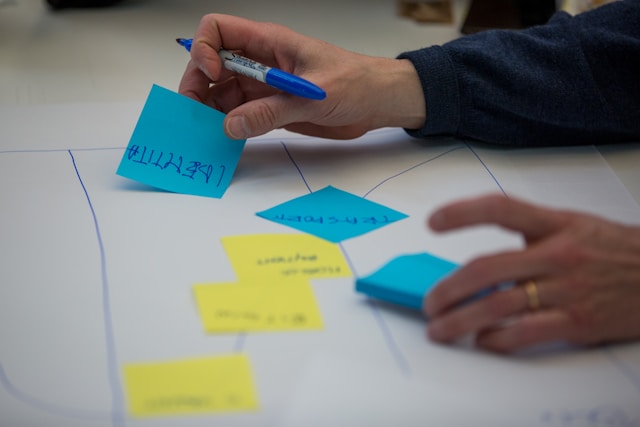
Once the foundation is set and the frame is up, the internal structure gives the building its purpose. This includes the electrical wiring, plumbing, HVAC systems, and interior walls that create usable spaces. In an organization, this is the structure of success: the processes, workflows, and communication systems that let work flow smoothly.
As a leader, you are the architect of this internal structure. Are your communication channels clear and direct, or are they complicated and slow? Are your decision-making processes transparent and efficient, or are they stuck in red tape? Do your teams have the tools and systems they need to work together effectively? A poorly designed internal structure creates friction, frustration, and wasted effort. It’s like having a beautiful building with the lights not working and the faucets dry. A leader’s job is to constantly check these systems, remove bottlenecks, and ensure the structure supports the people working within it rather than holding them back.
Building a team or a company is an active, ongoing process. It needs the vision of an architect, the practicality of an engineer, and the hands-on guidance of a project manager. Applying these lessons from the construction world helps you move from just managing a team to truly building a legacy.
Carolyn R. Owens has over 25 years of experience and 5,000+ hours serving as a Career Strategist, Leadership Coach, and Mentor Coach. She is the Chairwoman and CEO of Infinity Coaching, Inc., which helps you up-level your skills so you can up-level your income. Infinity Coaching, Inc. provides one-on-one and group coaching, organizational training, and personality assessments. Carolyn is certified to give the Energy Leadership Index, Myers-Briggs Type Indicator (MBTI), DISC, Emotional Intelligence, and Leadership Circle Profile assessments. You can learn more about assessments and other products and services at https://infinitycoaching.net